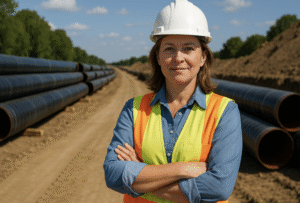
Women Breaking Barriers in the Pipeline Industry
The pipeline industry has long been dominated by men, but the tide is shifting. Across the country, more women are stepping into roles traditionally reserved for their male counterparts, from welding and inspection to engineering and business ownership. One of the most niche and crucial sectors within this industry is pipeline cleaning pigs—devices used to clean and inspect pipelines efficiently. For ambitious women with entrepreneurial fire and a commitment to industrial excellence, this is a promising frontier.
Starting a woman-owned pipeline cleaning pigs business isn’t just about tapping into an underserved market; it’s about claiming your place in an evolving energy and infrastructure sector that desperately needs innovation, diversity, and leadership. 💼💪
This blog will guide you step-by-step through what it takes to start this type of business—from industry insights and technical knowledge to certifications, funding, and marketing strategies. Let’s dive in and explore how to break into this lucrative and impactful field.
What Are Pipeline Cleaning Pigs, and Why Do They Matter? 🐷
Pipeline cleaning pigs are not animals—they’re high-tech tools used to clean and maintain pipelines. These devices are inserted into pipelines and pushed along by the flow of the product (oil, gas, water, etc.), scraping and removing buildup, checking for corrosion, and inspecting the pipeline’s condition.
The term “PIG” is believed to be an acronym for “Pipeline Inspection Gauge,” but it also comes from the squealing sound early models made as they moved through pipes. Today, pigs are made from materials like polyurethane or steel and can be outfitted with GPS, brushes, magnets, and sensors.
Cleaning pigs are essential for:
-
Maintaining pipeline integrity
-
Preventing blockages or leaks
-
Extending the lifespan of infrastructure
-
Ensuring compliance with EPA regulations
With over 2.8 million miles of pipeline infrastructure in the U.S. alone (PHMSA), the need for pigging services is massive and growing. The best part? Many operators outsource this work to specialized businesses.
Why the Industry Needs More Woman-Owned Pigging Companies 👩🔧
Despite progress, the construction and energy sectors remain some of the least gender-diverse fields. According to the U.S. Census Bureau, only about 10.9% of construction workers are women, and even fewer occupy ownership roles in industrial services.
By starting a woman-owned pipeline cleaning pigs business, you not only tap into a high-demand niche—you also contribute to a more inclusive and innovative future for infrastructure. This can also open up access to Woman-Owned Business Enterprise (WBE) programs, funding, and contracts specifically reserved for underrepresented entrepreneurs. ✨
Step 1: Get Familiar with the Industry 🔍
Before launching your business, you need to deeply understand the pipeline pigging industry. This includes:
📘 Learn the Basics of Pigging:
-
Types of pigs: foam pigs, brush pigs, scraper pigs, intelligent pigs
-
Applications: oil & gas, water, sewage, chemical lines
-
Functionality: cleaning, separating, inspection, batching
🔧 Understand Equipment and Tools:
-
Launchers and receivers
-
Pig tracking systems
-
Pressure control systems
-
Cleaning accessories and lubricants
🧠 Study Industry Regulations:
-
OSHA standards
-
Environmental protection laws
Consider enrolling in online courses, trade certifications, or apprenticeships. Organizations like NACE International and ASME offer resources for understanding pipeline operations and inspection protocols.
Step 2: Develop a Business Plan 📊
A clear, professional business plan is your blueprint to success. It should include:
-
Executive Summary: What your business does and why it matters
-
Market Research: Competitor analysis, target market, pricing strategy
-
Services Offered: Types of pigging services, emergency response, maintenance contracts, inspection
-
Equipment & Inventory: New vs. refurbished pigs, sourcing suppliers
-
Financial Plan: Startup costs, revenue projections, breakeven point
-
Certifications & Licenses: WBE, DBE, OSHA, DOT compliance
Use this plan not only to clarify your vision but also to apply for grants, loans, and business certifications.
Step 3: Secure Funding for Your Business 💰
Starting a pigging business can be capital intensive. You’ll need equipment, vehicles, storage, safety gear, and trained personnel. Fortunately, there are resources specifically for woman-owned businesses, including:
🏦 Loans and Grants:
🛠️ Equipment Financing:
-
Look into leasing equipment to lower upfront costs
-
Partner with manufacturers that offer financing for bulk pig purchases
🤝 Investors:
-
Pitch to impact investors focused on women in STEM or infrastructure
-
Explore local business incubators and industrial accelerators
Step 4: Register as a Certified Woman-Owned Business ✅
Getting certified as a Woman-Owned Business Enterprise (WBE) is a major advantage. It opens doors to government contracts, corporate supplier diversity programs, and grant opportunities.
Certification Options:
Certification requires documentation like ownership verification, tax records, resumes, and a detailed business plan. While it can be paperwork-heavy, it’s well worth the effort.
Step 5: Invest in High-Quality Equipment and Safety Protocols 🛡️
Your reputation depends on the performance of your pigs and your safety record. Invest in:
-
Reliable pipeline pigs from trusted suppliers
-
Pig launchers and receivers
-
Tracking equipment with real-time GPS
-
Personal Protective Equipment (PPE) and training for all staff
-
Routine maintenance protocols
Consider sourcing from American manufacturers who comply with industry standards and offer support for newcomers.
Step 6: Hire and Train Your Team 👷♀️
Your team will make or break your business. Hire skilled technicians who are:
-
OSHA certified
-
Experienced in pipeline systems
-
Trained in hazardous material handling
Also, look for employees who align with your mission—whether that’s sustainability, safety, or diversity. Investing in your team’s growth builds loyalty and elevates your brand.
Step 7: Market Your Business to the Right Clients 📣
Your ideal clients will be pipeline operators, industrial facilities, municipalities, and utility companies. Focus your marketing efforts on:
🌐 Professional Website:
-
Showcase your WBE certification
-
Describe your services clearly
-
Include testimonials and case studies
-
Use SEO to target terms like “pipeline pigging services near me”
🔗 LinkedIn & Industry Directories:
-
Join and engage in professional groups like Pipeline & Gas Journal
-
Post regularly about safety, innovation, and success stories
🤝 Strategic Partnerships:
-
Connect with construction firms, inspectors, and energy providers
-
Bid on local, state, and federal contracts
📑 Attend Trade Shows:
-
Exhibiting at events like the Pipeline Pigging & Integrity Management Conference is a great way to network
Step 8: Build a Brand That Stands Out 🎯
A woman-owned business in the pigging sector is already a conversation starter. Build on that with a memorable, authentic brand:
-
Choose a strong name and logo
-
Share your founder’s story
-
Highlight your mission—whether it’s safety, innovation, or inclusion
-
Show up authentically on social media and in interviews
The combination of technical excellence and a personal touch will set you apart in a crowded marketplace.
Conclusion: The Future Is Female… and It’s Industrial 💥
Starting a woman-owned pipeline cleaning pigs business isn’t easy—but it’s absolutely doable. With the right mix of grit, knowledge, and support, you can carve a powerful niche in this high-demand industry. From supporting infrastructure safety to challenging gender norms in industrial fields, your business can be both profitable and impactful. 🌍💼
If you’re passionate about mechanical systems, ready to learn the ropes, and determined to succeed, this is your moment. The pipelines are waiting—and the future is wide open.