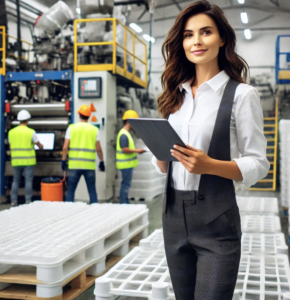
Starting a pallets manufacturing business is one of the most practical, scalable ways to build real wealth, create jobs, and step into leadership in an industry that quietly powers everything people buy. Pallets move groceries, construction materials, medical supplies, e-commerce orders, and industrial parts from one place to another. When supply chains stay strong, pallets are part of the backbone.
For a woman entrepreneur, pallets manufacturing offers a rare mix of steady demand, repeat customers, clear operational systems, and expansion paths that can grow from a small local shop into a regional producer. It is hands-on, numbers-driven, and built on relationships, quality, and reliability. Those strengths translate into a business that can last for decades. 💪
Pallets Are a “Need,” Not a Trend
Pallets are used across nearly every sector that ships or stores products. That means your customer base is not limited to one type of company. Warehouses, manufacturers, food distributors, agricultural operations, building suppliers, and logistics providers all rely on pallets to keep inventory moving.
That kind of broad demand reduces the risk that comes with fads. You are not building a business that depends on social media algorithms or seasonal consumer cravings. You are building a company that supports the daily rhythm of commerce. When you produce consistent pallets and deliver on time, you become part of your customers’ operations, and repeat orders follow.
For anyone building a serious business, this is the kind of boring-in-the-best-way foundation that creates stability and long-term leverage. 📦
A Woman-Owned Advantage in Procurement and Partnerships
Many organizations actively seek qualified women-owned suppliers as part of supplier diversity goals. This can open doors in procurement conversations, especially with larger companies, government-adjacent programs, and corporations that track supplier diversity metrics.
A strong way to understand the category and how it is recognized is the Wikipedia overview of a Woman-owned business.
Supplier diversity is not a shortcut, and it is not a substitute for quality. It is a door-opener. In manufacturing, relationships matter, reliability matters, and performance matters. When you combine operational excellence with the added visibility that can come from being women-owned, you position yourself for partnerships that many competitors never even get a chance to bid on.
Manufacturing Builds Confidence Fast Because Results Are Measurable
Service businesses can feel intangible early on. Manufacturing is different. You can measure output, scrap, labor efficiency, on-time delivery, customer returns, and margin per pallet type. That clarity makes it easier to improve and easier to scale.
A pallets business lets you become the kind of leader who makes decisions from data, not vibes. That is a powerful shift, especially for women who have spent years being underestimated or overlooked in “hands-on” industries. Your numbers become your voice. Your performance becomes your proof. 🧠
This is also where modern women-in-business coverage often points the spotlight: women leading with outcomes, resilience, and operational excellence. Sections like Fortune’s Most Powerful Women coverage reinforce that women are already shaping industries that were once considered closed-off.
A Clear Path From Small Start to Serious Scale
Pallets manufacturing can start lean and grow step-by-step.
You can begin with a focused offering:
-
Standard new pallets for local distributors
-
Custom pallets for manufacturers with specific dimensions
-
Heat-treated pallets for export requirements
-
Reconditioned pallets and repair services for cost-sensitive buyers
As cash flow strengthens, you can expand:
-
Add automation for cutting and nailing
-
Increase kiln capacity for treatment
-
Add delivery trucks to control logistics
-
Build buy-back programs for used pallets
-
Add complementary products like crates, skids, and dunnage
This is a business where operational upgrades often translate into immediate capacity gains. Every process improvement can become higher throughput, better margins, and stronger customer retention. 🔧
Sustainability and Circular Supply Chains Create Extra Opportunity 🌱
Pallets are naturally positioned for reuse, repair, and recycling. That gives you multiple revenue streams beyond selling new pallets. Reconditioning used pallets, collecting cores, and reselling repaired inventory can become a meaningful part of your profit model, especially when you build strong local routes and consistent pickup schedules.
Sustainability initiatives are also influencing purchasing decisions in logistics and manufacturing. Companies want suppliers that can help them reduce waste and keep materials in circulation. A pallets business that offers repair, reuse programs, and responsible sourcing can stand out in a crowded market.
This aligns with broader conversations in women’s business leadership as well, including thoughtful coverage of women building durable companies and shaping modern business culture in outlets like the Financial Times Women in Business section.
Relationship-Driven Selling Rewards a Strength Many Women Already Have 🤝
Pallets are not usually sold through flashy branding. They are sold through trust.
Your buyers want:
-
Accurate specs
-
Consistent quality
-
Reliable delivery windows
-
Quick fixes when something goes wrong
-
A supplier who communicates clearly
That is relationship selling. It is professional follow-through. It is calm leadership under pressure. Those are areas where many women excel, especially when they build businesses with strong service standards and proactive communication.
Women founder coverage consistently highlights those strengths, including lists and spotlights like Inc.’s Female Founders features, which showcase women building real companies with real operations, not just ideas.
In pallets manufacturing, those relationship strengths translate into repeat purchase orders, longer contracts, and referrals across warehouses and plant managers who talk to each other.
You Can Build a Team and Culture That Changes Lives
Manufacturing businesses create jobs that matter. A pallets shop can employ equipment operators, forklift drivers, assembly teams, repair technicians, dispatchers, and sales coordinators. With the right training, you can create a workplace where people gain skills and stability.
As the owner, you also get to set the tone. You can build a culture that values safety, accountability, and respect. That is not just good leadership. That is competitive advantage. High turnover kills margin. A healthy culture protects productivity.
Women leadership and entrepreneurship coverage regularly emphasizes how women build companies with values and staying power, including ongoing reporting in ForbesWomen.
Capital, Credibility, and Growth Are Built Through Execution
In manufacturing, credibility grows when you show up, meet specs, and deliver. That credibility becomes leverage for better terms with suppliers, stronger customer commitments, and eventually better financing options.
Access to capital is a real issue across entrepreneurship, and women still face unique friction. Commentary like Reuters’ perspective on women entrepreneurs needing more capital highlights this reality in business coverage. A pallets manufacturing business gives you a tangible asset base and trackable cash flow, which can strengthen your position when you pursue equipment financing, expansion funding, or strategic partnerships.
This is not a business built on hype. It is built on proof. 🧾
Conclusion: Pallets Manufacturing Is a Wealth-Building Business With Real-World Power 👷♀️✨
A woman who starts a pallets manufacturing business is stepping into an industry that keeps the economy moving. The demand is steady, the product is essential, the operations are measurable, and the growth path is clear. It is also a space where women can stand out through strong relationships, reliable execution, and leadership that builds teams people are proud to be part of.
This kind of business creates more than income. It creates independence, confidence, and long-term leverage. It turns effort into assets. It turns skill into systems. It turns leadership into legacy.