Archives (page 2 of 3)

Becoming a Payroll Tax Attorney: A Woman’s Path to Power, Security, and Real Impact 💼✨

Women News for Payroll Tax Attorney Near Me

Payroll tax law sits at the intersection of money, compliance, and people’s livelihoods. When payroll taxes go wrong, it is never a small problem. It can threaten a business, derail someone’s career, and create long-term financial consequences that ripple through families and communities. That is exactly why this legal lane matters so much—and why it is a strong, strategic, high-impact career for a woman who wants to build a respected name in law while doing work that genuinely protects others.

Being a Payroll Tax Attorney is not about chasing flashy headlines. It is about becoming the steady, trusted voice in moments when people are scared, overwhelmed, and unsure what to do next. It is about mastering a complicated area of law that most people do not understand until it is urgent. And it is about stepping into a role where clarity, confidence, and leadership make all the difference. 💪⚖️

Payroll Tax Law Is a Career Built on Authority and Trust 🧠⚖️


Payroll tax issues demand precision. Employers have to withhold, report, and remit taxes correctly, consistently, and on time. When mistakes happen—whether from confusion, cash-flow struggles, misclassification, or breakdowns in systems—government agencies do not treat it lightly. That creates a space where a Payroll Tax Attorney becomes invaluable: someone who can interpret rules, guide decisions, prevent escalation, and negotiate outcomes.

For a woman, this field can be a powerful platform to build professional authority. People remember the attorney who helped them breathe again when the numbers looked impossible. They remember the one who spoke clearly, stayed calm, and created a plan that actually worked. In a specialty where trust is everything, strong communication and relationship-building are not “soft skills”—they are winning skills. 🌟

This Specialty Rewards Strong Communication and Emotional Intelligence 🤝💬


Payroll tax problems often come with shame, fear, and confusion. Business owners may feel embarrassed admitting they are behind. Employees may feel anxious about their paychecks. Even finance teams can feel defensive if a system failure happened on their watch. A Payroll Tax Attorney who can lead without humiliating people becomes the kind of professional clients cling to—in a good way.

Women are often socialized to read the room, manage tension, and communicate with empathy while still holding boundaries. In payroll tax law, that combination can be a superpower. You can be firm without being harsh. You can be direct without being dismissive. You can guide a client through hard truth while still making them feel supported. That is leadership. 💛

You Get a Career With Stability, Demand, and Long-Term Growth 📈🏛️


Payroll taxes are not optional, and they are not going away. Businesses of every size—from new startups to established companies—must deal with payroll compliance. Economic ups and downs can actually increase the need for payroll tax guidance, because financial pressure often exposes weak systems and creates more risk.

That means this path can offer strong career stability and consistent demand. It also creates room to grow in multiple directions: private practice, boutique firms, in-house compliance roles, consulting, government work, or building your own niche firm. For women who want both a meaningful career and a future-proof skill set, payroll tax law can be a smart long game. 🏆

For context on the broader conversation about women’s presence and influence in the legal profession, women-focused legal news coverage has highlighted the momentum and the remaining gaps, including leadership representation in firms. See: It’s the “Decade of the Female Lawyer,” ABA report says. Reuters

Payroll Tax Attorneys Protect People’s Pay and Families’ Security 👩‍👧‍👦💵


Payroll is personal. It is rent, groceries, childcare, tuition, medication, and peace of mind. When payroll breaks, people feel it immediately. Helping businesses stay compliant is not only about avoiding penalties—it is about protecting employees from instability and protecting owners from losing what they have built.

Women who feel called to make a tangible difference often thrive here because the “why” is real. You are not just arguing abstract theories. You are helping keep paychecks flowing, keeping businesses open, and helping families stay steady. That impact adds meaning to the work, especially on the hard days. 🌿

It Positions You as a Strategic Advisor, Not Just a Paper-Pusher 🧩📋


The best Payroll Tax Attorneys do more than fill out forms. They help clients make better decisions before problems happen. They teach business owners how payroll systems should function, how reporting cycles work, how classification choices affect liabilities, and how to build clean processes that reduce risk.

That is advisory work—high-trust, high-value, relationship-driven work. Women who want to be seen as respected strategists (not overlooked, not underestimated) can use this specialty to become the person clients consult before they make major moves. That level of influence is empowering, and it creates a strong professional identity. 👑

Your Voice Matters in a World Still Fighting for Women’s Visibility 🗞️✨


Women’s voices, credibility, and safety in public and professional spaces remain a real issue—especially online, where harassment can try to silence women who lead. In a time where women in journalism, advocacy, and public-facing work are still navigating digital threats, choosing a career rooted in authority and expertise becomes even more meaningful.

If you care about women being seen, heard, and protected in public life, staying informed through women-centered reporting can be grounding. One recent example of women-focused reporting on safety and visibility is: New report shows rise in violence against women journalists and activists linked to digital abuse. AP News

And for ongoing coverage that centers women’s stories and issues globally, UN Women publishes regular updates here: Explore our latest news. UN Women

You Join a Legacy of Women Who Changed the Legal World 👩‍⚖️📚


Women have been pushing open doors in the legal profession for generations—often in systems that were not built with them in mind. Becoming a Payroll Tax Attorney is not just picking a practice area. It is stepping into a profession where women have earned ground through competence, courage, and consistency.

If you want a snapshot of that broader history and the global presence of women in the legal field, this overview is a helpful reference: Women in law. Wikipedia

There is something powerful about choosing a serious, technical specialty and becoming undeniably good at it. When you master complexity, you build respect that cannot be brushed aside.

Women Thrive in High-Stakes Work That Requires Calm Under Pressure 🔥🧊


Payroll tax problems can come with deadlines, notices, audits, and intense client stress. A strong Payroll Tax Attorney learns how to stay calm, gather facts, create a plan, and move step-by-step. That steadiness is a professional advantage.

Many women already manage high-stakes environments in life—balancing responsibilities, anticipating needs, staying composed, and moving through pressure with grit. Translating that into a legal specialty can feel like finally putting your natural strengths to work in a way that pays, builds status, and creates a lasting legacy. 💼

It Can Be a Powerful Entrepreneurial Path for Women 🏡💡

If you want autonomy, payroll tax law can support it. Because it is niche and specialized, you can build a boutique practice with clear positioning: compliance, payroll tax resolution, advisory services, and ongoing support for business owners. You can design your client experience, your communication style, and your boundaries. You can build a firm culture that values your life—not just your billable hours.

This is where women can create something rare: a high-authority legal practice with a human-centered approach. Clients do not just want a technical answer. They want a leader who makes them feel safe while guiding them through the storm.

For women-centered reporting at the intersection of gender, policy, and power, this newsroom is a strong resource: The 19th. 19th News

And to stay aware of broader workplace equity realities that affect women across industries, this reporting is worth reading: “The patriarchy runs deep”: women still getting a raw deal in the workplace as equality remains a dream. The Guardian

Conclusion: Payroll Tax Law Is a Smart, Strong Choice for a Woman Ready to Lead 🌟⚖️

A woman should be a Payroll Tax Attorney near me because this career rewards intelligence, steadiness, communication, and real leadership. It offers stability, demand, and long-term growth while giving you the chance to protect livelihoods and guide people through high-stakes moments with clarity and confidence. It is a space where being detail-driven is an advantage, where empathy strengthens outcomes, and where expertise builds respect that lasts.

Choosing this path is not about fitting into someone else’s definition of success. It is about stepping into a specialty where your work matters, your voice carries weight, and your leadership can change outcomes for businesses, employees, and families—one case, one resolution, one steady decision at a time. 💛💼
⚡ Why Female Electricians Champion the 20 Amp Circuit Breaker

female business news for 20 amp circuit breaker

Female electricians across neighborhoods, job sites, and booming small businesses are speaking up about something that sounds small but matters a lot for safety and reliability in modern homes and workspaces: the 20 amp circuit breaker.

They bring a perspective shaped not only by technical training but also by the lived reality of running homes, shops, and even women-owned trade businesses in a world full of power-hungry devices. This is not just about hardware on a panel; it is about protecting people, equipment, and the reputation of the professionals who stand behind every install.

Below is why so many female electricians recommend 20 amp breakers when the circuit design and wiring support it, and how that decision connects to the growing power of women in business. 💪

Understanding the 20 Amp Circuit Breaker Through a Woman-Owned Business Lens

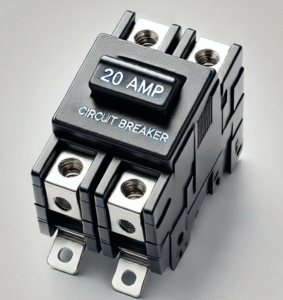
A 20 amp circuit breaker is designed to protect a circuit that can safely carry up to 20 amps of electrical current. In practical terms, that means more capacity than a 15 amp breaker on the same voltage. More capacity, when designed correctly, turns into fewer tripped breakers, more stable power, and a safer margin when modern appliances and tools are in use.

For female electricians who also identify as business owners or leaders in their trade, that reliability becomes a brand promise. Women-owned businesses now represent a major force in the economy, with millions of companies led by women across the United States. The concept of a woman-owned business captures how female leaders build organizations that prioritize long-term trust, safety, and service. Wikipedia

Recommending a 20 amp breaker where appropriate is one way they honor that commitment.

More Real-World Load, Less Drama on the Panel

A key reason female electricians suggest 20 amp breakers is simple: real life places heavy demands on electrical circuits.

Hair dryers, vacuums, space heaters, air fryers, shop vacs, power tools, and high-efficiency office equipment all draw significant current. In many homes and small businesses, these loads are clustered in the same rooms where families and entrepreneurs actually live and work.

A properly wired 20 amp circuit, with the correct gauge wire and outlets rated for the load, gives more headroom. Instead of a breaker tripping every time someone runs a high-wattage appliance while a laptop charger and a printer are already going, the circuit can handle the surge more gracefully.

Female electricians see firsthand how frustrating repeated nuisance trips can be for busy parents running a home office or for a woman-owned salon, bakery, or fabrication shop that depends on uptime. They know that every unexpected outage is a disruption to workflow, revenue, and reputation. A 20 amp breaker, installed correctly, reduces those pain points.

Safety First, Not Just Code Minimums

Most electrical codes set minimum standards. Female electricians who run their own businesses often think beyond the bare minimum, because their name, reviews, and referrals depend on the outcome.

A 20 amp circuit breaker, paired with the right 12-gauge wiring and devices, can provide a better safety margin for high-demand circuits. Instead of running a 15 amp circuit close to its limit for long periods, the 20 amp setup allows typical loads to sit more comfortably below the maximum rating.

This matters for heat buildup in wires, wear on breakers, and the long-term health of the system. Female electricians balance strict code compliance with practical risk management, extending the same level of care to a client’s home panel that they would to their own. That mindset is consistent with how many women approach leadership in business, focusing on resilience and longevity rather than quick fixes.

Designing with Modern Lifestyles and Home Businesses in Mind

Female electricians often serve clients who use their homes as multi-purpose spaces. A single property can function as:

  • A family home

  • A remote office

  • A side hustle workshop

  • A content creation studio

  • A craft, beauty, or consulting business headquarters

As female entrepreneurship surges, more women run businesses from home, from online boutiques to beauty studios to consulting firms. Recent research on female entrepreneurship shows that nearly half of new business owners in recent years have been women, representing a dramatic rise compared with earlier years. Gusto

These business owners depend heavily on electronics, lighting, computers, networking gear, and sometimes specialized equipment. A 20 amp circuit breaker on dedicated circuits helps ensure that when they plug in printers, labelers, lighting rigs, or workstations, everything stays stable.

Female electricians design circuits with this reality in mind. They plan more 20 amp circuits for home offices, workshops, and utility areas where sustained use is expected, rather than treating the house like an old-fashioned single-use living space.

Supporting Women in Skilled Trades and Entrepreneurship

The rise of the female electrician parallels the rise of women business owners across the economy. National spotlights on women and minority business owners show that women are leading companies in every sector, including traditionally male-dominated fields like construction and electrical contracting. Bank of America Institute

These women are not only wiring homes; they are signing paychecks, training apprentices, bidding jobs, and managing risk. Their perspective shapes the way they specify equipment like 20 amp breakers.

They often:

  • Educate clients about why a slightly more robust solution pays off over time

  • Prioritize reliability in high-use rooms such as kitchens, laundry rooms, workshops, and home offices

  • Connect the technical design of a system with the day-to-day needs of families and small businesses

By recommending 20 amp breakers where appropriate, female electricians show that they understand both the math on paper and the messy reality of a busy household or a growing woman-owned company. ✨

Reducing Hidden Costs for Female-Led Households and Businesses

Every tripped breaker has a cost. It might be a batch of baked goods ruined in the oven, a lost video recording, a crashed computer, or a delay in client work. For women who juggle caregiving, entrepreneurship, and employment, these disruptions can feel larger than they look on the surface.

Female electricians often hear the stories behind the service call. They listen to how a circuit that trips during a virtual meeting or shuts off the salon’s blow dryers in the middle of a workday translates into stress, embarrassment, or lost income.

A well-planned system with 20 amp circuits in critical locations reduces these silent costs. It allows female-led households and woman-owned workspaces to function with fewer interruptions, turning the electrical system into a quiet ally instead of a constant frustration.

Future-Proofing for Growth and New Technology

Modern homes and businesses are evolving rapidly. More EV chargers, induction cooktops, smart lighting, 3D printers, battery-powered tools, and high-performance computers appear every year. Even if a circuit seems overspecified today, a 20 amp breaker on the right wiring can be a simple form of future-proofing.

Female electricians who view their work as long-term partnership think ahead. They understand that a woman running a small online shop today may grow into a full-fledged studio tomorrow, with extra lighting, photography gear, and production equipment. Building in capacity now with 20 amp circuits can prevent costly upgrades later.

This forward-thinking attitude mirrors broader trends in female entrepreneurship, where women business owners are scaling, hiring, and investing in systems that support long-term growth rather than short-term survival. Recent reports highlight how women-owned businesses contribute trillions in revenue and employ millions of workers, underscoring their role in economic resilience and innovation. Bryn Mawr Trust Wealth Management+1

Translating Technical Choices Into Everyday Language

Another reason female electricians stand out is their communication style. Many of them turn confusing jargon into plain language so clients feel respected, not talked down to.

When they suggest a 20 amp breaker, they often explain it in terms of everyday priorities:

  • Less hassle from tripping breakers

  • Safer capacity for big appliances and tools

  • Better support for working from home

  • Fewer surprises when new devices are added

This combination of technical skill and relational communication builds trust. Clients understand that the recommendation for a 20 amp breaker is not an upsell; it is an investment in stability and safety. That style of leadership and education is increasingly visible in women-led businesses across industries, as more female entrepreneurs share stories, data, and best practices to raise the bar for everyone. 🌟

Aligning Safety, Strategy, and Sisterhood

Female electricians recommending 20 amp circuit breakers are doing more than selecting a part number from a catalog. They are aligning safety with strategy. They are choosing a configuration that respects the increasing electrical demands of modern life while honoring the time, money, and peace of mind of their clients.

Their choices echo the wider movement of women building resilient, smart, and customer-centered businesses. From reports on rising female entrepreneurship to national spotlights on women business owners, the story is consistent. Women are stepping forward as leaders who care deeply about quality, reliability, and long-term value. Empower+1

Conclusion: A Breaker That Reflects a Bigger Shift

A 20 amp circuit breaker, installed with the right design and wiring, is a small piece of hardware that represents a much bigger story. Female electricians see how it supports safer circuits, fewer interruptions, and better performance for homes and businesses that depend on electricity every minute.

In recommending 20 amp breakers where they make sense, these professionals bring together technical expertise, real-world understanding, and the mindset of women entrepreneurs who value durability and trust.

Every time a female electrician tightens the lugs on a 20 amp breaker, she strengthens more than a circuit. She reinforces the growing network of women who power families, communities, and businesses with skill, confidence, and care. ⚡

Center Stage, Center Channel: Why Female Owned Businesses Deserve World-Class Sound 🎙️

Female Business News for Center Channel Speakers

Strong brands are not only seen, they are heard. For female owned businesses, that truth carries extra weight. Women entrepreneurs are building powerful companies across the globe, shaping economies and communities in ways that media and research now highlight daily through platforms like Women in business. Yet inside the walls of many women led companies, the most basic asset of all is still overlooked: clear, confident sound.

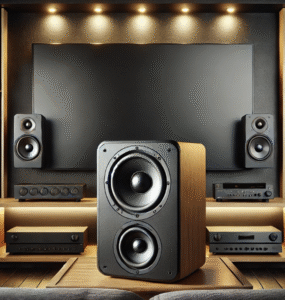
That is exactly where center channel speakers come in. Traditionally known in home theater setups, these speakers are purpose built to make voices sound crisp, present, and easy to understand. In a business world full of video calls, live events, and content creation, they are quietly becoming one of the smartest tech upgrades a female owned business can make.

Imagine your boardroom, studio, retail floor, or training space where every voice sounds like it belongs in the front row. No straining to hear, no “sorry, can you repeat that,” no fading in and out on Zoom. Just confident communication that matches the professionalism and ambition behind your brand. That is the promise of a good center channel speaker.

Below is how this deceptively simple piece of audio gear can support your visibility, your voice, and your bottom line as a woman entrepreneur 💪

The Case for Sound: Why Female Owned Businesses Cannot Afford to Be Hard to Hear

Women in business already compete with structural headwinds, from access to capital to representation in leadership, as documented in countless reports and coverage across outlets like ForbesWomen. When you have worked this hard to build your company, the last disadvantage you need is poor audio that dilutes your impact.

Clear sound is not a luxury, it is a multiplier. The way your voice carries on a call or in a room quietly shapes how people perceive your authority, confidence, and competence. When investors, buyers, or strategic partners struggle to hear you, your insight lands with less weight, even when the content is brilliant.

For female owned businesses, this matters because:

  • Many founders are pitching from smaller offices or shared spaces where acoustics are challenging.

  • Clients often join virtually, using laptops or phones where muddled audio quickly becomes fatigue.

  • Women’s voices can be more easily masked by background noise or poor equalization when systems are not tuned for clarity.

A center channel speaker is designed specifically to fix that problem. Its entire job is to make spoken words cut through noise, music, and room echo. In other words, it is an investment in you being heard the way your business deserves.

What a Center Channel Speaker Actually Does for Your Brand Voice

In a typical audio setup, you have left and right speakers that handle music, ambience, and effects. The center channel speaker sits between them and focuses primarily on dialogue and lead vocals. That is why it is the unsung hero of any professional sound system.

In a business setting, the “dialogue” is your voice and the voices of your team. When you bring a high quality center channel into your conference room, content studio, or event space, you:

  • Anchor speech in the center of the room so everyone feels like the speaker is “right there” in front of them.

  • Reduce the strain of listening for long meetings, workshops, or training sessions.

  • Improve intelligibility for multilingual conversations or technical discussions where details matter.

Women focused media outlets such as Women on Business emphasize that strong leadership is not just about having ideas, but about communicating them in a way that wins trust and mobilizes action. A center channel speaker helps you do exactly that, physically and emotionally, by reinforcing the clarity and presence of your message.

Elevating Female Voices in Meetings, Pitches, and Hybrid Events 🗣️

Female founders are leading global growth in entrepreneurship, yet many still present from rooms that rely on laptop speakers or ceiling tiles that were never designed for high stakes communication. At the same time, organizations like the Women’s Business Enterprise National Council share success stories about women entrepreneurs securing major contracts and scaling their companies through strong partnerships, highlighted regularly in WBENC News. Those deals may start with one decisive call, pitch, or briefing.

A center channel speaker helps that moment land.

In internal meetings and client pitches, you gain:

  • Authority in your voice because every word sounds intentional and front-and-center.

  • Equality in hybrid rooms where people dialing in remotely hear the room clearly and feel included.

  • Less repetition and confusion, which saves time and prevents misunderstandings that cost money later.

This is especially important for women founders who are already overcoming stereotypes about confidence, leadership style, or decisiveness. When your voice literally sounds stronger, clearer, and more stable in the room, you reinforce the reality of your leadership every time you speak.

Creating Premium Client Experiences in Female Led Spaces

Not every female owned business is a tech startup or consulting firm. Many are salons, spas, fitness studios, boutique shops, wellness clinics, and creative agencies, the kind of businesses celebrated in platforms like Women’s Business News. These spaces rely on atmosphere and experience as much as on the products or services themselves.

A center channel speaker changes the feel of the environment in subtle but powerful ways.

In a yoga studio or coaching space, it keeps your voice gentle but fully intelligible over music, so clients feel guided rather than shouted at. In a boutique or showroom, it allows you to run ambient music from side channels while using the center channel for announcements, micro-events, or quick live intros without overwhelming the space.

Clients may not know why they feel more relaxed, engaged, or confident in your environment, but they notice when:

  • Your instructions are clear and calming.

  • Your brand videos sound cinematic rather than tinny.

  • Your in-store events feel polished and professional, even with modest budgets.

Experience is a competitive advantage. Solid sound makes that advantage obvious without you ever needing to say a word.

Powering Podcasts, Courses, and Thought Leadership for Women Entrepreneurs 🎧

Female entrepreneurs are increasingly building personal brands through podcasts, webinars, online courses, and live streams. Organizations like the Women Entrepreneurs Finance Initiative regularly share stories of women founders using digital platforms to scale their message and impact, as seen in We-Fi’s work with women entrepreneurs. In that digital world, audio quality is non-negotiable.

A center channel speaker is not just for the audience sitting in your room. It also helps you monitor and fine tune the sound you send out into the world. When you pair good microphones with a capable center channel speaker in your recording or streaming setup, you can:

  • Hear issues like echo, harshness, or muddiness in real time and adjust.

  • Balance your voice against music or guest voices more accurately.

  • Build a signature sound that listeners associate with your brand.

For women founders who may already be navigating visibility challenges, great sound removes one more barrier between your ideas and the people who need them. When your podcast, masterclass, or summit sounds as good as it looks, you stand out in a crowded feed and signal that your business belongs in serious conversations.

Aligning with a Global Movement to Amplify Women’s Voices

The movement to support women in business is bigger than any single brand or country. From global initiatives to national councils, there is growing recognition that elevating women owned businesses drives economic growth, innovation, and community resilience. The broader picture is captured across resources such as Women Entrepreneurs Finance Initiative and global overviews like Women in business.

Media platforms and communities focused on women in business, whether it is ForbesWomen, Women on Business, Women’s Business News, Women Entrepreneurs Finance Initiative, WBENC News, or the broader women in leadership coverage across global outlets, all share a recurring theme. When women’s voices are amplified, economies, companies, and families thrive.

Investing in a center channel speaker is a symbolic and practical expression of that principle inside your own business. You are saying that every meeting, workshop, and event is worth hearing clearly. You are backing your leadership with infrastructure that ensures no idea is lost in the noise.

Practical Ways Female Owned Businesses Can Implement Center Channel Speakers

Bringing a center channel speaker into your business does not require massive renovations or complex tech stacks. It simply requires intentional choices.

A female led company can start by:

  • Upgrading the main meeting room with a quality center channel speaker, paired with existing AV equipment or a simple receiver.

  • Designing a small content corner in the office where webinars, podcasts, or virtual trainings are created with proper monitoring via a center channel.

  • Integrating the speaker into a flexible mobile setup, so you can roll it into different rooms for events, workshops, or client days.

  • Training your team to use the system effectively, so the tech enhances the conversation rather than distracting from it.

These steps can be layered over time and aligned with the growth of your business. As your revenue, team size, and digital presence expand, your sound system keeps pace, supporting each new chapter of your story.

Conclusion: Your Voice Is an Asset, Treat It Like One 💬

Female entrepreneurs are rewriting the rules of business in every industry. Coverage from women focused business media, global initiatives, and research bodies all point to the same conclusion: when women lead, communities prosper and companies grow stronger. Your voice is central to that leadership.

Center channel speakers will not solve every challenge facing female owned businesses, but it removes one very real barrier between your message and your market. It takes the passion, strategy, and experience you already possess and delivers them with clarity and presence every time you speak.

When you invest in great audio, you are not just buying hardware. You are honoring your story, your expertise, and the people who chose to trust your business. You are building a space where your team and your clients can listen with ease and act with confidence.

Your brand was never meant to whisper. With the right center channel speaker, it finally gets to speak at full volume, clearly and unapologetically, in every room you walk into and every channel you show up on.

Powering Her Vision: Why Women Business Owners Need Serious IT Support 💻✨

Women Business News for IT Support for Small Business

Women are building businesses at a historic pace, reshaping local economies, industries, and entire communities. In the United States alone, millions of women-owned companies now operate across every sector, from consulting and creative agencies to logistics, construction, healthcare, and technology. Recent reports show women-owned businesses represent a rapidly growing share of all firms and play a key role in job creation and innovation. nwbc.gov+1

As women entrepreneurs scale their companies, one quiet factor often determines whether that growth feels smooth and sustainable or chaotic and exhausting: dependable IT support tailored to small business realities. Computers, cloud tools, websites, CRMs, and cybersecurity protections no longer count as “nice to have” extras. They sit at the center of how a modern business operates, markets, sells, fulfills, and serves.

For women business owners, the right IT support does more than fix tech issues. It protects revenue, preserves sanity, and creates the space to lead with confidence instead of constantly putting out digital fires.

The Digital Landscape Women Business Owners Navigate Today

Women in business have always brought resilience, creativity, and a talent for building strong relationships. Research shows that women leaders often drive innovation and long-term performance, even as they navigate systemic barriers in access to capital, networks, and opportunities. Wikipedia+1

Layer today’s digital demands on top of those existing challenges and the load gets even heavier. Women business owners are expected to:

  • Maintain secure, reliable devices for their teams

  • Run websites and online stores that stay fast and available

  • Manage CRMs, marketing tools, collaboration apps, and financial software

  • Protect client data and sensitive information from cyber threats

  • Stay compliant with industry and data-privacy rules

  • Keep up with new platforms, AI tools, and cloud services

At the same time, women-owned businesses still tend to be smaller firms and microbusinesses, where the owner wears many hats and cannot justify a full in-house IT department. nwbc.gov+1

Without dedicated IT support, every outage, software glitch, or cyber scare lands directly on the owner’s shoulders and pulls her away from high-value work like sales conversations, leadership, and strategic decision-making.

IT Support as a Strategic Safety Net, Not Just a Help Desk

Strong IT support for small business functions as a safety net for the owner and the brand. It is no longer simply “someone to call when the printer jams.” For women business owners, especially those who lead lean teams, IT support becomes a strategic partner in three key ways.

First, it prevents problems before they happen. Proactive monitoring, regular updates, backups, and security patches help avoid the kind of failures that can shut down a business day. Second, it shortens downtime when something does go wrong. Fast, knowledgeable help means fewer missed calls, fewer abandoned checkouts, and fewer frustrated clients. Third, it guides smart technology decisions so the business invests in tools that actually support growth rather than cluttering operations with unused or misconfigured software.

This strategic role matters particularly for women entrepreneurs who are scaling in competitive fields such as tech, professional services, and digital-first industries, where operational excellence and reliable online presence shape credibility. Publications such as ForbesWomen spotlight how women at the helm increasingly rely on technology to lead at the same level as long-established competitors. Forbes+1

Protecting Reputation and Revenue in a Digital-First World

A woman-owned business may win clients because of expertise, service quality, or local relationships. However, the experience customers have is now inseparable from technology. When email stops working, customers cannot reach the company. When the website goes down, new leads stop arriving. When online invoices fail, cash flow grows uncertain.

Data from the National Women’s Business Council highlights how women-owned firms make a significant contribution to employment and revenue in the modern economy, meaning every lost hour of productivity also carries a broader impact. nwbc.gov+1

Quality IT support helps protect that revenue by:

  • Monitoring networks and servers to catch issues early

  • Ensuring websites and key applications stay online and responsive

  • Implementing secure, user-friendly payment systems

  • Backing up business-critical data so it is never lost to a hardware failure or ransomware incident

For women business owners building a reputation in industries where they may still be underestimated, staying consistently reliable online becomes a powerful credibility builder. Every smooth transaction, timely email, and secure client portal visit reinforces the message that this woman-led company operates at a high professional standard.

Cybersecurity That Defends the Brand, the Clients, and the Owner

Women entrepreneurs face the same cybersecurity risks as any other small business owner, yet small firms often underestimate their attractiveness to attackers. Reports and commentary across women-focused business networks consistently warn that small companies are prime targets for phishing, ransomware, and account takeover attacks because they typically lack strong defenses. SBE Council+1

For a woman business owner, a cyber incident can feel deeply personal. A breach does not only threaten financial loss. It can shake client trust, expose sensitive relationships, and cause enormous emotional stress. Good IT support counters these risks through:

  • Multi-factor authentication and password management

  • Strong email and endpoint protection

  • Employee training that is clear, non-technical, and respectful of busy schedules

  • Regular security assessments to uncover vulnerabilities before attackers do

  • Clear incident-response plans so the team knows exactly what to do

Organizations like the Women’s Business Enterprise National Council highlight how large corporations value certified women-owned businesses that meet stringent operational expectations, including secure and reliable tech environments. WBENC+1

When a woman-owned firm can demonstrate that its systems and data protections are taken seriously, it becomes more attractive to enterprise clients and large supply-chain partners. That credibility can translate directly into bigger contracts and long-term growth.

Leveling the Playing Field Through Smarter Technology Choices

Across the globe, programs focused on women entrepreneurs emphasize access to education, technology, and networks as essential to growth. Initiatives like 10,000 Women from Goldman Sachs work to expand business and management skills for women founders, often including digital tools and technology management as core topics. Goldman Sachs+1

Solid IT support extends that mission at the small business level. Instead of leaving the owner to guess which tools to adopt, an IT partner can help her:

  • Choose cost-effective cloud systems that scale with the company

  • Integrate software so data flows smoothly between CRM, accounting, scheduling, and marketing tools

  • Implement collaboration platforms that keep teams aligned, especially in hybrid or remote setups

  • Introduce automation and AI in ways that save time without overwhelming staff

For many women business owners, these improvements directly impact work–life balance. The more streamlined the systems, the more time the owner gains for strategy, creativity, mentorship, and family life. That balance supports long-term sustainability and prevents burnout, which is especially important for women juggling leadership and caregiving roles.

IT Support as an Investment in Equity and Opportunity

News and policy discussions frequently emphasize that empowering women in business strengthens entire economies, not just individual firms. Government councils and advocacy organizations point out that women-owned businesses represent one of the most dynamic segments of the modern small business landscape and that closing gaps in funding, training, and digital capacity could unlock even greater economic gains. nwbc.gov+1

IT support sits squarely in this conversation about equity. When women business owners gain access to high-quality technology guidance, robust cybersecurity, and reliable support at small-business-friendly pricing, they are better positioned to:

  • Compete for contracts that demand strong digital infrastructure

  • Meet vendor, banking, and regulatory requirements more easily

  • Leverage online marketing, e-commerce, and digital partnerships

  • Participate fully in programs, accelerators, and initiatives designed specifically for women-led companies

Resources that aggregate news and insights for women entrepreneurs, such as curated lists of women-focused business publications and online magazines, show just how much conversation now revolves around technology, digital strategy, and innovation. Startup Savant+1

For women owners, investing in IT support is a bold statement that their businesses deserve the same level of technical strength and sophistication as any other firm in their industry. 👩‍💼🚀

Conclusion: Strong Tech Support for a Stronger Future

Women in business are not simply participating in the economy; they are reshaping it. From local service companies to high-growth startups, women business owners create jobs, support families, and introduce fresh ideas into markets that need them. Wikipedia+1

In this environment, IT support for small business has become a foundational ingredient in their success. It protects reputation and revenue, shields sensitive data, streamlines daily operations, and opens the door to larger opportunities and partnerships.

When a woman business owner chooses to build a strong relationship with a capable IT support team, she is doing more than outsourcing tech headaches. She is claiming her right to lead a resilient, modern, and future-ready business that reflects her vision rather than being limited by outdated systems or constant digital emergencies.

Reliable IT support allows her to stay where she belongs: focused on strategy, leadership, customers, and the legacy she is building for her community and the next generation of women entrepreneurs. 💡📈

Why Women Make Exceptional Title IX Attorneys 💼⚖️

Female Business News for Title 9 Attorneys Near Me

Title IX (often written as “Title 9”) work lives at the crossroads of education, civil rights, trauma, and the future of a person’s life. The attorneys who step into that space are not only legal advocates; they are guides, translators, and sometimes the first people to truly listen to a student or employee who feels overwhelmed and afraid. In that environment, the strengths many women bring to the table are not only valuable, they are often exactly what the situation demands.

Across the broader business world, women have been steadily rising in leadership, ownership, and influence. Women now drive a massive share of business decision-making, innovation, and entrepreneurship, reshaping how organizations operate and who they serve. Wikipedia+1 When those same women choose to practice law and focus on Title IX, they bring that leadership mindset directly into a setting where lives and reputations are on the line.

This article explores why women are uniquely positioned to excel as Title IX attorneys, how their strengths match the demands of these cases, and why their presence in this field is a powerful sign of progress for education, law, and business alike. ✨

The Human Reality Behind Every Title IX Case

Title IX cases are not simple policy disputes. They often involve allegations of sexual harassment, discrimination, or assault, with young lives and educational careers hanging in the balance. Title IX attorneys serve as advisors and strategic guides through campus processes that sometimes limit traditional courtroom-style advocacy and require careful navigation of university procedures. Boston Bar Association+1

Many women who practice Title IX law bring a highly developed sense of empathy and emotional intelligence into these moments. That does not mean they are less tough or less analytical. It means they can simultaneously understand the emotional weight of what their clients are carrying and still keep a clear, steady grip on strategy and procedure.

Clients facing Title IX investigations are often frightened, embarrassed, and unsure how to speak about what happened. A woman attorney who listens without judgment, explains each step plainly, and normalizes a client’s fear can make the process feel survivable. That emotional steadiness becomes a strategic advantage. A calm client is a more credible client. A supported client is better able to remember facts, follow instructions, and stay engaged in their own defense or complaint.

In other words, the human skills that women are often socialized to develop — listening, validating, reading subtle cues, noticing when someone is shutting down — become powerful legal tools in Title IX work. 💬

Trauma-Informed Advocacy As A Natural Strength

Title IX attorneys routinely encounter trauma, whether representing complainants or respondents. Trauma affects memory, communication, and behavior. A trauma-informed attorney understands that the way a client remembers or describes an event may be shaped by how their brain protected them during and after the experience.

Many women in law have intentionally trained in trauma-informed practices or have a natural inclination toward them. They ask clients to tell their story in manageable steps. They allow pauses. They help clients ground themselves before and after difficult meetings or hearings. They recognize that a client who appears flat, angry, or confused may not be being evasive; they may be reliving something deeply painful.

In campus hearings and interviews, this awareness matters. A trauma-informed Title IX attorney can prepare their client for how questions may feel, coach them on self-care, and help decision-makers understand why trauma sometimes produces fragmented or nonlinear narratives. This kind of advocacy protects fairness while honoring the reality of what many people have lived through. It is both compassionate and tactical.

Women’s Leadership In Business Mirrors Their Leadership In Law

The rise of women in business leadership is not a side story; it is a central driver of how modern organizations function. Women now own a significant share of businesses, lead corporations, and drive investment decisions. Wikipedia+1 Publications like Women in business showcase how women reshape corporate culture, governance, and the way power is exercised.

That same leadership mindset shows up in women who run Title IX practices or lead education-law teams inside firms. They think like business builders. They understand branding, client experience, and long-term reputation. They value clear communication and strong relationships with schools, administrators, and other attorneys.

In a Title IX context, this business-minded leadership benefits clients. A woman attorney who has built her own practice knows how to manage complex caseloads, structure teams, and coordinate with outside professionals like mental health providers, investigators, or PR consultants. She is not only an advocate in a single case; she is the architect of an entire support system built around protecting rights and futures.

Communication, Clarity, And The Power Of Translation

Title IX regulations, campus policies, and federal guidance are dense. Clients rarely read them, and if they do, they may feel even more confused. A great Title IX attorney does more than understand the law; they translate it into plain English.

Women in business and law are repeatedly recognized for their communication skills, whether they are leading teams, pitching investors, or presenting to boards. Business-focused outlets such as ForbesWomen highlight women leaders who excel at turning complex ideas into accessible narratives that move people to action. Forbes+1

In Title IX work, this same communication talent becomes a lifeline. A woman attorney can break down hearing procedures, explain what “standard of evidence” really means, and clarify what outcomes are realistically possible. Clear communication helps clients make informed decisions about settlement, appeals, or parallel legal actions. It also helps families and support systems understand how to step in without accidentally harming the case.

Good communication also extends to written advocacy. Women Title IX attorneys who write polished, precise statements, appeals, and responses bring the same persuasive energy that powers female leadership in boardrooms and business media. Their words do not simply check procedural boxes. They tell a coherent, compelling story that decision-makers can follow.

Lived Experience And Insight Into Bias

Women know what it feels like to move through systems not originally built with them in mind. Business news is filled with stories about gender bias in promotions, pay, and access to capital, even as women open businesses at record rates and lead high-growth ventures. Wikipedia+1 That lived awareness of inequality gives many women Title IX attorneys a sharper instinct for spotting subtle unfairness.

In campus proceedings, bias can show up in tone, assumptions, and unspoken expectations. It can affect whose story is believed, how evidence is weighed, and how sanctions are decided. A woman attorney who has experienced bias herself may be quicker to notice when a client is being dismissed, talked over, or misunderstood.

That insight strengthens advocacy. She can document patterns in how administrators respond, build arguments around inconsistencies, and push back when language in policies or communications implicitly undermines one party. Her ability to see the hidden power dynamics at work becomes another way to protect due process and equity, whether she represents a complainant or a respondent.

Role Models, Representation, And Trust

Representation matters. In business media, newsletters like Fortune’s MPW Daily spotlight women leading some of the world’s most powerful organizations, shaping industries and innovating in new markets. Fortune+1 When clients see women thriving in spaces historically dominated by men, their expectations about what is possible begin to shift.

The same thing happens in Title IX law. A student who has been assaulted may feel safer disclosing sensitive details to a woman attorney. A young professional facing accusations may feel that a woman advocate will bring a balanced, calm approach to a highly charged situation. Families may trust that a woman lawyer will keep them informed, explain tradeoffs clearly, and stay focused on both the legal and human stakes.

That sense of trust is priceless. It encourages clients to be more open and honest. It helps them stay engaged even when the process feels slow or unfair. It also sends a message to the broader community: women belong not just in the conversation about Title IX but at the forefront of shaping how it is enforced and understood. 🌟

Strategic, Business-Minded Growth Of Title IX Practices

Many women Title IX attorneys are also entrepreneurs who have built their own firms or practice groups. They think like business owners and leaders, balancing mission and sustainability. They invest in staff training, technology, and processes that make their services more efficient and more accessible.

Their business instincts can open doors for clients. A well-run Title IX practice is better positioned to take cases nationwide, collaborate with co-counsel, and stay current on shifting regulations and guidance. Women who follow business news, leadership trends, and market shifts can adapt their practice models, fee structures, and outreach strategies in ways that expand access to legal help while maintaining high standards of representation.

This combination of legal acumen and business savvy mirrors what is happening across the female business world. Women are moving from the margins to the center in entrepreneurship and leadership, and their Title IX practices reflect that same drive to build something resilient, impactful, and client-centered. 💼

Conclusion: Women Belong At The Center Of Title IX Advocacy

Title IX is about more than compliance. It is about fairness, safety, dignity, and the right to an education or career that is not derailed by discrimination or violence. The attorneys who operate in this space must be grounded in the law and deeply attuned to the human beings behind each file.

Women make exceptional Title 9 attorneys near me because their strengths align with every layer of that work. They bring empathy and trauma-informed care to emotionally charged situations. They communicate with clarity, turning complex policies into understandable next steps. They lead practices the way successful women lead businesses, with strategic thinking and a focus on client experience. They recognize bias and push back against it, not just for individual clients but for the integrity of the process itself.

As women continue to shape the future of business, law, and leadership, their presence in Title IX advocacy stands as a powerful example of what happens when skill, compassion, and determination come together. For students and employees navigating some of the most stressful moments of their lives, having a woman Title IX attorney beside them can make the path forward not only more just, but more human, more hopeful, and ultimately more empowering. 💖

From Vision to Venture: How a Woman Can Launch an Owner Representation Construction Business

Construction News for owner representation

Launching your own owner representation construction business is an ambitious and rewarding path—especially for women stepping into a field historically dominated by men. As an owner’s representative, you act as the client’s advocate: guiding design decisions, overseeing contractors, controlling budgets, and ensuring the owner’s vision is realized without the operational burden of hands-on construction. Beginning this journey requires both technical know-how and strategic business planning. In this article, we’ll walk through how a woman can start an owner representation construction business, step by step, from mindset to execution, with tips, potential challenges, and sources of support. 💪


Understanding the Role and Market Opportunity

Before jumping in, it’s essential to grasp exactly what owner representation (sometimes called owner’s rep) entails—and why it’s increasingly needed. An owner’s representative serves as a liaison between the project owner and architects, engineers, contractors, and other stakeholders. The rep ensures the project stays on schedule, within budget, meets quality expectations, and that contracts protect the owner’s interests.

One key value: the owner’s representative helps reduce risk by monitoring progress, tracking costs, and coordinating change orders and communications. Buildings

In today’s market, the demand for owner rep services is growing as owners of commercial, institutional, hospitality, and multi-family projects seek experienced oversight without becoming general contractors themselves. Also, as more women enter leadership roles in construction, there is greater opportunity for visibility and niche specialization. For instance, women now represent about 14.3 % of all construction workers in the U.S., an all-time high. CBIZ

There are also existing networks and organizations advocating for women in construction: Women Construction Owners & Executives (WCOE) works to promote women’s access and success in construction leadership roles. Women Construction Owners & Executives+1

With the role and demand clear, let’s explore how to build your business.


Laying the Foundation: Skills, Credentials, and Niche

1. Acquire or validate essential competencies

To be credible, you’ll need a solid foundation in construction, architecture, engineering, cost estimating, contracts, scheduling, and project controls. If you already have experience (e.g. as a project manager, architect, engineer, or construction manager), you can leverage that. If not, consider gaining experience in one of those roles first or partnering with someone who has complementary strengths.

You should also be comfortable with contract law basics, insurance, risk management, and fee structuring. A certification such as the Certified Construction Manager (CCM) or PMP, or credentials in cost estimating or contract management, can add credibility.

2. Choose your niche or specialization

Rather than trying to serve every kind of project, pick a niche based on your passion, background, or market needs. For example:

  • Commercial interiors and tenant improvements

  • Healthcare or educational facilities

  • Renovations and historic buildings

  • Multi-family residential

  • Industrial or infrastructure projects

Specializing helps you build deep expertise and a reputation, which clients will pay for.

3. Define your value proposition and business model

Decide how you will charge fees (percentage of construction cost, fixed fee, or hourly + overhead). Define deliverables (RFP preparation, cost validation, contract negotiation, site inspections, reporting). Be explicit about scope and limit liability.

Draft service agreements and standard terms. You may want legal and insurance counsel to help you frame appropriate waivers, indemnities, and professional liability coverage.


Business Setup and Go-To-Market Strategy

4. Register the business and handle legal/finance setup

Form a legal entity (LLC, S-Corp, or other) to protect your personal assets. Register with local business authorities, get an Employer ID (EIN), open a bank account. Arrange for accounting and financial systems (e.g. QuickBooks or another suite). Obtain insurance—including professional liability, general liability, errors & omissions—to protect yourself in case of disputes.

5. Build a portfolio, even if initially small

Early on, you may need to take modest projects or even assist on others’ projects to build proof of work. You could offer pro bono or discounted owner rep service for small nonprofits or community projects to gain references. Document each project thoroughly with reports, photos, and metrics (budget adherence, schedule performance, value engineering). A strong portfolio helps future marketing.

6. Marketing, networking, and relationships

In construction, relationships matter. Connect with local architects, engineers, developers, real estate developers, and government agencies. Join relevant associations, speak at events, and publish your insights.

Given the unique perspective you bring, there is opportunity to attract owners who value diverse leadership or gender diversity in their project teams. Women-focused business networks and press can also amplify your visibility.

Here are a few strategic moves:

  • Join associations such as NAWBO (National Association of Women Business Owners) for business networking and support. (See NAWBO on Wikipedia) Wikipedia

  • Join construction-specific women’s groups like NAWIC (National Association of Women in Construction) to access mentoring, training, and credibility. Wikipedia

  • Participate in trade shows, seminars, or Women in Construction Week events

  • Submit for recognition lists or awards (e.g. “Outstanding Women in Construction”) to build brand legitimacy. Construction Business Owner Magazine

  • Develop a content marketing strategy: write blog posts, case studies, or white papers about owner rep best practices

7. Pursue contracts and secure clients

Begin by contacting local architects, engineering firms, and contractors to let them know about your services. Respond to owner or developer RFPs that call for owner’s representation. Emphasize how you save cost, mitigate risk, and keep the owner’s vision intact.

Be prepared to negotiate scope creep carefully. Many projects evolve. Use clear change order procedures. Use milestone payments or periodic invoices.

Deliver exceptional service on initial projects to earn referrals and testimonials.


Operations, Staffing, and Scaling

8. Establish workflows and systems

Create templates and structured processes: for reporting, cost tracking, schedules, risk logs, communication protocols, site walk checklists, etc. Use project management software (e.g. Procore, MS Project, or other tools) to maintain transparency and control.

Standardize your deliverables—so every client receives consistent dashboards and oversight.

9. Hire or partner with complementary talent

As your workload grows, bring in others: cost estimators, contract specialists, schedulers, field observers, QC inspectors, or support staff. Use subcontractors for specialized tasks. Be selective—each hire should align with your quality standards and client values.

You might also partner with established firms (engineering or architecture) to jointly bid on projects with owner rep services structured into the team.

10. Manage growth and risk

Watch your cash flow—owner rep work often means upfront effort before fees are paid. Use retainer or progress billing models. Monitor profitability per project.

Manage your liability exposures—review insurance annually, vet subcontractor quality, and practice strong documentation of decisions, change orders, and communications. Use clear contracts that limit risk.

As you grow, you may also explore diversifying your offerings—such as pre-construction consulting, construction audits, dispute resolution, or post-occupancy evaluations.


Overcoming Unique Challenges as a Woman in the Industry

1. Confront stereotypes and build credibility

In some settings you may be the only woman in meetings or on construction sites. Walk in confidently, communicate calmly, and let your work speak for itself. Over time, successful outcomes build your reputation.

2. Seek mentors and allies

Mentorship is key. Connect with women already in construction leadership or owner rep roles. Join groups such as WCOE (Women Construction Owners & Executives) which advocate for women in construction and provide peer support. Women Construction Owners & Executives+1

Also, brand your identity positively—rather than hiding your gender, showcase it as strength, diversity, and perspective.

3. Pursue certifications and set yourself apart

As a woman-owned business, you may be eligible for WBE, MWBE, or DBE certifications, which can help secure public and private sector contracts. Use such designations in marketing and contract proposals.

Also, certifications in construction management, project controls, or contract specialties help build technical credibility beyond gender.

4. Stay resilient and network

Construction is high stress, with tight deadlines and unexpected challenges. Create a support network, practice self-care, and learn from setbacks. Celebrate small wins. Use networks geared toward women business news or women entrepreneurship to stay updated and visible. For example, Women Business News outlets regularly highlight women breaking barriers in business—reading and maybe pitching stories there can help with exposure.


Sample Roadmap Timeline

Here’s a rough 12-month launch roadmap:

Months Focus
1–2 Acquire missing technical skills; plan services and pricing
3 Set up legal entity, bank, insurance, templates
4–5 Build initial portfolio or pro bono projects; begin marketing
6 Pursue first paying client; deliver excellent service
7–9 Refine processes; hire support as needed
10–12 Bid on larger projects, promote credentials, pursue certifications

Real-Life Inspiration

Women are making strides in construction leadership. In Chicago, several major firms are now headed by women. Construction Dive In addition, media and business outlets highlight women beginning construction or owner rep ventures, demonstrating that success is possible. Forbes

One notable example: Rebecca Miller founded a development consulting and owner’s rep business and has spoken publicly about navigating a male-dominated industry. Miller Permitting And Land Development

These stories show it’s not just theoretical—you can gain recognition, bridge gaps, and build a thriving firm despite challenges.


Conclusion

Starting an owner representation construction business as a woman is both challenging and deeply rewarding. It requires combining technical expertise, business acumen, and relationship building. But with sharp focus, a clear niche, strong processes, and a resilient mindset, you can create a thriving enterprise.

Remember to leverage networks like NAWBO, NAWIC, WCOE, and women business news platforms for support, visibility, and mentorship. Let your unique perspective be an asset, not a liability. Over time, your track record and reputation will speak louder than any bias.

If you’d like help drafting service templates, marketing your business, or connecting to female entrepreneur networks, I’d be glad to assist further.

She Builds Better: Why Women Should Run BIM Companies 🚀

Business News for BIM Companies

Building Information Modeling (BIM) isn’t just software—it’s a high-stakes coordination arena where design intent, constructability, cost, and schedule collide. Running a BIM company demands strategic thinking, emotional intelligence, rigorous systems, and a bias for practical innovation. In other words: it demands the strengths women bring in spades. As the Architecture, Engineering, and Construction (AEC) industry accelerates its digital transformation, women-led BIM firms are uniquely positioned to set a new standard—delivering smoother collaboration, safer projects, cleaner data, and measurable business outcomes. This article lays out why women should run BIM companies, how those firms outperform in the long run, and what practical steps aspiring founders can take to launch and grow a thriving practice. 🌱

The Digital-First AEC Era Needs Relationship-Centered Leaders

BIM is, at heart, a collaboration engine. Models fail not only because of geometry or parametric constraints, but because teams fail to communicate at the right time with the right clarity. Women—on average—tend to excel at cross-functional communication, empathy, and stakeholder alignment. In BIM services, that translates into fewer RFIs, faster clash resolution, clearer issue logs, and more transparent decision trails.

In a typical project, the BIM lead navigates owners, architects, engineers, trade partners, general contractors, QS/estimators, and facility managers. Running a BIM company means converting “too many cooks” into an orchestra. Leaders who listen deeply, facilitate actively, and manage conflict without ego elevate the entire delivery chain. That leadership style doesn’t just keep meetings civil—it reduces rework, compresses timelines, and protects margins.

Precision Meets Practicality: Quality Systems as a Competitive Edge

BIM companies live or die by process. The best women-run firms distinguish themselves with robust standards that are human-friendly and developer-ready. Think: crystal-clear naming conventions, model health KPIs, versioning discipline, federated model governance, MEP coordination gates, model-to-field handoffs, and airtight audit trails. This rigor prevents “hero work” from masking broken workflows.

Women leaders often excel at designing processes that accommodate real-world behavior—creating checklists that people actually use, acceptance criteria that map to field reality, and dashboards that translate model status into risk signals. The outcome is fewer surprises when you federate, fewer “late Friday” coordination scrambles, and more predictable earned value.

Design-Thinking Mindset: From 3D Objects to Business Outcomes

Great BIM companies don’t sell models; they sell decisions. Women leaders bring a design-thinking mindset that reframes services around outcomes: safer sites, faster install, easier procurement, leaner logistics, and simpler handover to FM/operations. That lens shifts conversations away from hours and toward value—preconstruction risk reduction, prefab readiness, 4D certainty, and asset data that keeps paying dividends after commissioning.

When you lead with user journeys—what the super needs at 5 a.m., what the sheet-metal foreman trusts in the lift, what the owner’s FM will query in year five—you win hearts and budgets. A women-run BIM firm with outcome-first storytelling makes complex tech obvious to non-technical buyers, and that clarity shortens sales cycles.

Collaboration Superpowers: Turning Tension Into Throughput

BIM coordination meetings can become combat sports. Women leaders frequently excel at converging conflicting priorities without alienating contributors. That matters because coordination is a throughput problem: progress depends on the slowest discipline to respond and the hardest issue to resolve. The skill of de-escalating, reframing, and finding the “next, smallest, shippable fix” translates directly into weekly progress and happier GCs.

This collaboration bias shows up inside the firm, too—mentoring modelers into coordinators, upskilling coordinators into project BIM leads, and growing those leaders into client-facing directors. The result is a healthier pipeline of talent, better retention, and continuity that clients can feel from kickoff to closeout.

Safety and Constructability: BIM with a Field-First Compass

BIM earns its keep when it de-risks the jobsite. Women-led firms, often putting people and process at the center, have a knack for translating model insights into field safety and constructability improvements. Whether that’s spotting logistics bottlenecks in a 4D sequence, planning prefabrication windows that align with crane time, or modeling lift points so the rigging plan is real—not theoretical—this attention to human context saves lives and budgets.

Field-first modeling also strengthens trust with trade partners. When subs see their constraints reflected in the model—actual bends, realistic tolerances, workable hangers, and manufacturer-true families—they engage earlier and push coordination forward faster.

Data Stewardship: Clean Data Is a Leadership Trait

Trash in, trash out is a law in BIM. Women leaders’ attention to detail and long-horizon thinking often translates into better information management: structured parameters, consistent object libraries, disciplined COBie/asset tagging, and clear data ownership across the life cycle. That stewardship matters as owners expect digital twins, predictive maintenance, and ESG reporting. A women-run BIM company that treats data like an asset—versioned, validated, and valuable—wins repeat work with sophisticated owners.

Commercial Discipline: Scope Clarity, Risk Control, and Fair Contracts

BIM scopes can balloon if you aren’t vigilant. Women founders frequently bring sharp commercial discipline—writing statements of work that are precise, aligning model LOD to decision milestones, protecting change orders, and policing “just one more view” requests. This maturity stabilizes margins and keeps teams focused on promised outcomes. It also earns respect with general contractors who prefer vendors that prevent scope drift rather than exploit it.

Culture by Design: Inclusive Teams Out-Innovate

Cultures that welcome different viewpoints create stronger models—literally and figuratively. Women-run BIM firms often set inclusive norms from day one: pair reviews that teach, retros that drive real improvements, “blameless postmortems” on botched federations, and promotion criteria tied to coaching as much as to production. Inclusive cultures unlock better problem-solving and make it easier to recruit star modelers tired of burnout shops.

Client Experience as a Strategy

Client experience isn’t decoration—it’s retention. Women leaders tend to formalize the touches that make clients feel guided: kickoffs with role clarity, issue tracker hygiene, meeting notes with crisp action owners, and “no surprises” comms when risks surface. Add transparent dashboards—model health, clash burn-down, schedule adherence—and you convert clients into champions who bring you onto the next project early.

Practical Launch Playbook for Women Founders in BIM 💡

Start with a niche, then scale: Pick a wedge where you’re world-class—MEP coordination for healthcare, 4D for interiors, point-cloud to BIM for historic reuse, or prefab-ready models for data centers. Niche credibility lands your first anchor clients.

Codify your standards early: Ship a simple, visual BIM execution plan; a living family library; and a model health checklist that juniors can run. Process is your moat.

Instrument everything: Use issue trackers, model-health scripts, and weekly dashboards to create a feedback loop. What gets measured gets improved—and billed.

Design the meeting, not just the model: Facilitation is a product. Timebox decisions, pre-route contentious clashes, and finish every meeting with two lists: “unblocked now” and “blocked with owner.”

Build the bench: Hire for learning velocity and communication. Train on your standards, rotate roles, and reward people who make others faster.

Sell outcomes: Frame proposals around risk removed, days saved, prefab enabled, and handover data value. Translate tech into CFO language.

Protect scope: Tie LOD to decisions, define “done,” and socialize change order triggers early. You’ll keep clients happy by keeping promises realistic.

Network where women’s business momentum is rising: Align with organizations and outlets that spotlight women in leadership and entrepreneurship. Staying plugged in to women-in-business news helps you recruit, partner, and market effectively (see the authority links below).

Women Business News & Context

(Each link appears once, per your request.)

Common Myths—And Better Truths

“BIM is all about hardcore scripting; leadership doesn’t matter.”
Scripting accelerates production, but leadership determines throughput. Without clear facilitation, disciplined standards, and role clarity, you’ll script your way into prettier chaos.

“Clients only care about price.”
In preconstruction, predictability is priceless. Firms that reduce clashes early, maintain model integrity, and keep the critical path clean routinely win repeat work at healthy rates.

“It’s risky to niche down.”
It’s riskier not to. Specialization shortens ramp-up on every new job, drives reusable content, and makes your story memorable in crowded RFP stacks.

What Success Looks Like

Picture a women-run BIM company that leads weekly coordination with calm authority. The federated model opens with green model-health indicators. The clash list is short—and shrinking—because the firm pre-routed tough issues offline and brought subs in early to co-solve. Procurement knows long-lead items two months sooner. The 4D sequence aligns with crane availability and site logistics, preventing costly reshuffles. Safety incidents decline because visualization was used to rehearse risky lifts. At handover, the owner receives asset data they can trust, not just a zip file no one will open. That’s not theoretical—that’s what intentional leadership produces.

A Note on Impact Beyond Projects 🌍

Women-led BIM companies don’t just build careers; they widen the pipeline. When clients see women leading technically rigorous, commercially savvy work, they rewire expectations for who belongs at the table. That ripple effect attracts more diverse talent to the field, which in turn drives better problem-solving and stronger business performance. In other words, choosing to found or lead a BIM firm isn’t only a personal career move—it’s an industry-shaping act.

Conclusion

BIM is where ideas become buildable reality. It rewards leaders who are clear, collaborative, rigorous, and human-centered. Women bring those traits—and more—to the top job. A women-run BIM companies can be the difference between models that look good and projects that are good: safer, faster, smarter, and more profitable. If you’re a woman considering this path, the door is open and the market is ready. Start with a niche, ship standards you’re proud of, instrument your progress, and tell a story grounded in outcomes. The industry needs what you lead. ✨

How to Become a Female Tree Expert Witness in Nashville 🌳⚖️

Woman Business News for Tree Expert Witness Nashville

Becoming a female Tree Expert Witness in Nashville is not just possible — it’s powerful. You are stepping into an intersection of science, law, safety, property rights, and business where your voice can directly shape outcomes in disputes that involve trees, land use, construction damage, fallen limbs, root intrusion, line-of-sight issues, personal injury claims, municipal code compliance, and more. You are not “just” an arborist. You are the person the attorneys, insurance companies, developers, and sometimes even city officials rely on to explain what actually happened, why it happened, and who is responsible. That means authority, confidence, and opportunity. It also means you can build a respected professional career, and even a woman-owned consultancy, inside a city where women in business are being recognized as leaders across multiple industries. Women in Nashville continue to be formally honored for their impact as decision-makers and innovators in business, leadership, and community development, including the Nashville Business Journal’s “Women of Influence,” which highlights women running companies and shaping strategy across the city. Facebook

This path is not overnight. You build it. You claim it. You document it. And then you testify to it under oath. That’s what makes this role different from general tree work. You are not just trimming, planting, or diagnosing. You are giving defensible, technical, professional opinions that can hold up in litigation. Below is exactly how to position yourself to do that in Nashville as a woman — from getting the credentials to getting called into court. 🌱

Step One: Understand What a Tree Expert Witness Actually Does in Nashville

A Tree Expert Witness, sometimes called a Forensic Arborist or Consulting Arborist, is brought into legal matters to analyze tree-related evidence and explain the science to non-scientists. You may be asked to inspect a tree failure (like a limb that fell on a vehicle), assess whether root damage from nearby construction weakened a tree, determine if improper pruning caused decline, or testify about whether a property owner ignored obvious hazard warnings. Your job is to investigate, to document, and to translate technical arboriculture into clear language that a judge, jury, or mediator can understand. That includes writing expert reports, giving depositions, and sometimes appearing in trial. Women already do this work. There are female consulting arborists who specifically perform forensic investigations and serve as expert witnesses, providing tree science opinions in court. Redwood Consulting Arborists

In Nashville, that kind of work often shows up in insurance disputes, neighbor/property line conflicts, construction defect claims, personal injury, and even wrongful death or severe injury cases when a tree failure is involved during storms. The better you are at documenting facts, staying calm, and speaking with confidence, the more valuable you become. This is expert-level professional consulting, and it positions you as a business owner, not “labor.” That matters in a city where female leadership in business is being publicly celebrated and elevated as part of Nashville’s growth story. Facebook+1

Step Two: Get Your Arborist Credentials — This Is Non-Negotiable

If you want to testify in Nashville as a Tree Expert Witness, you need credibility. The fastest way to start building recognized credibility in this industry is to pursue professional arboriculture credentials. The International Society of Arboriculture (ISA) is a major, globally recognized credentialing body for tree care professionals and consulting arborists. ISA offers multiple credentials, including ISA Certified Arborist, ISA Board Certified Master Arborist (which is considered the top tier), and Tree Risk Assessment Qualification. These credentials require a mix of field experience, exams, and documented expertise, and they identify arborists who have demonstrated professional-level competence in the science and practice of tree care. Wikipedia

Women are advancing quickly here. Across the country, more women are earning advanced arboriculture credentials and moving into consulting and leadership roles — not just climbing, but advising, testifying, and driving revenue. Industry organizations and publications have highlighted women who are running arboriculture teams, training other women, and bringing visibility to female talent in an industry that historically looked male from the outside. This push for representation is openly discussed in professional circles and trade media, and it’s being positioned as a long-term shift in who leads, trains, and speaks for the tree care industry. Tree Care Industry Magazine+1

Here’s why this matters for you:

  • When an attorney hires you, they are going to ask, “Are you certified? What are your qualifications?”

  • When you’re deposed, opposing counsel will try to poke holes in your background. ISA credentials, continuing education, and documented field experience make those holes harder to find.

  • Courts respect patterns. If you have certifications, training logs, site investigation notes, and a history of professional work, you’re not just “a woman with an opinion about trees.” You’re an industry-backed authority.

In other words, certification helps you get through that door — and stay in the room. 💼🌿

Step Three: Specialize in Risk, Failure, and Causation (the Legal Questions)

Most residential tree work is about health, pruning, planting, and removals. Expert witness work is about liability. Liability means:

  • Was that tree obviously hazardous?

  • Did someone ignore warning signs?

  • Did construction grading or trenching destabilize the roots?

  • Was the pruning done in a way that violated accepted standards and led to failure later?

As a future female Tree Expert Witness in Nashville, you’ll want to get extremely confident in three areas:

  1. Tree risk assessment.

  2. Failure analysis after an incident.

  3. Industry standards and best practices.

Tree risk assessment training teaches you how to evaluate likelihood of failure, describe targets, and grade risk levels using accepted methodology. That matters in court because you’re not guessing — you’re applying a recognized framework. Many women in the arboriculture field are increasingly visible in these roles, stepping into safety leadership, jobsite standards, and hazard prevention across utility and vegetation management, and they’re linking safety outcomes directly to trained professional judgment. That kind of safety-and-prevention mindset translates naturally into legal testimony when something goes wrong and everyone wants to know whether it “should have been prevented.” Tree Care Industry Magazine+1

Failure analysis after an incident is where your calm is gold. You’ll be documenting fractures, decay, load paths, site disturbance, recent weather, and maintenance history. You’ll take photos and measurements. You’ll preserve evidence. You’ll tie it back to standards. That’s where you stop being “tree person” and start being “expert witness.”

And finally, understanding best practices (ANSI standards, ISA guidance, municipal codes, permit requirements, etc.) lets you testify to whether the work done on that tree met professional expectations. This is what attorneys actually need in Nashville courtrooms and mediations: a professional who can explain — clearly — whether someone acted responsibly with that tree or not. 🌳📸

Step Four: Build a Woman-Owned Consulting Brand in Nashville

Here is where you turn skill into business. You don’t have to be a massive company with trucks and crews to serve as a Tree Expert Witness. In fact, many expert witnesses operate as consulting arborists — independent professionals who are hired to assess, report, and testify. Female arborists have built thriving consulting and expert witness practices by positioning themselves as forensic specialists who interpret evidence and communicate it clearly to clients, attorneys, and courts. Redwood Consulting Arborists+1

Nashville is especially friendly to visible, credible, woman-led brands. It’s not just music anymore. Nashville has become known for women leading companies, scaling influence, and driving revenue across media, health, development, and civic leadership. Publications and platforms built by and for women in Nashville — including high-visibility female-led digital media brands that spotlight Southern women in leadership, entrepreneurship, and lifestyle — have helped normalize the idea that women in this city are founders, strategists, and decision-makers. StyleBlueprint, for example, is a Nashville-based digital media company created by women and built specifically around elevating women’s voices, work, and leadership stories across the South, including Nashville. Wikipedia

That’s good news for you. When you present yourself as “Consulting Arborist / Tree Expert Witness – Nashville, TN,” and position your services around investigation, reporting, safety, due diligence, compliance, and expert testimony, you’re aligning with how Nashville already talks about women in business: serious, capable, high-impact. Facebook+2Facebook+2

Here’s how to frame yourself:

  • Use your name. Own it. You are the brand.

  • State clearly that you provide forensic tree assessments and expert witness services for attorneys, insurance carriers, municipalities, and property owners.

  • List “Tree Risk Assessment,” “Construction Damage Evaluation,” “Root System Impact Review,” “Storm Failure Investigation,” and “Expert Testimony / Deposition Support.”

  • Make it extremely obvious that you’re available in Middle Tennessee, including Davidson County, Williamson County, Rutherford County, Sumner County, etc. Attorneys think geographically. Make their job easy.

  • Make sure your messaging shows you are comfortable in a deposition. Say it plainly. That detail alone can get you hired.

This is not about begging for tree trimming jobs. You are presenting yourself as a technical, legal, and strategic asset. That is how you step into higher-value work and how you get treated (and paid) like a professional witness, not a contractor. 💰⚖️

Step Five: Document Everything Like It Will End Up in Court (Because It Might)

From the moment you begin operating as a consulting arborist, act like every note could someday appear in discovery. That means:

  • Date-stamped site photos

  • Written observations (objective, not emotional)

  • References to standards (“According to ISA Tree Risk Assessment Qualification methodology…”)

  • Weather conditions

  • Chain of custody for any samples, debris, or core sections you remove

Attorneys and insurance adjusters want experts who already understand professional documentation. If you hand them a clean, well-organized report, you signal “I’m courtroom-ready.” That reduces their risk and increases their trust. It also makes you far more likely to be called again the next time they have a tree dispute. Over time, repeat attorney relationships will become your referral engine in Nashville.

Also note: women in technical and leadership roles are increasingly visible in traditionally male-dominated fields like arboriculture, utilities, construction support, and safety — and they’re changing the hiring mindset. Industry voices are openly connecting women’s leadership to higher safety standards, accountability, and better communication across teams. That is exactly the same communication skill you’re selling as an expert witness. Tree Care Industry Magazine+1

Your notes, your photos, your calm voice, your facts — that is your credibility. Protect it.

Step Six: Be Seen and Connected — Especially With Attorneys and Other Women in Nashville Business

You cannot be invisible and expect to get called into litigation. You need to be known. Nashville celebrates and amplifies women in leadership through awards, events, and editorial spotlights that focus on performance, influence, vision, and business growth. Being visible in these circles isn’t “self-promotion,” it’s positioning. When the Nashville Business Journal announces its Women of Influence honorees, they are literally saying, “Here are the women making decisions and steering outcomes in this city.” Those honorees include CEOs, executives, and founders who drive strategy and revenue, and they are highlighted publicly as leaders to watch. Facebook+1

That is the room you want to be in. Even if you’re still building your hours, get comfortable being in proximity to that energy. Go where the women who are already recognized are talking about leadership, profitability, compliance, and liability. Learn how they speak about their businesses. Study how they stand in that authority. You are not “trying to get into tree work.” You are building an expert-level consulting practice that deals in risk, safety, property damage, and litigation support. That puts you in the same category — “critical to the outcome” — as environmental consultants, structural engineers, forensic accountants, and medical experts.

It is important that you see yourself that way, because Nashville already has a culture of women stepping into high-responsibility roles, from public leadership to private business, and being recognized for it. Women in Nashville have been honored for leadership across health systems, civic service, and industry, showing that the city acknowledges female subject-matter authority and public-impact work, not just titles. Wikipedia+1

That means you’re not asking to be allowed in. You’re walking into a space that is already being built for you. 🌟

Step Seven: Own Your Story — and Protect Your Rate

Attorneys are not just hiring knowledge. They are hiring presence. They want to know: will this expert stay composed in a deposition when opposing counsel gets aggressive? Will she sound confident on the stand? Will a jury believe her?

This is where being a woman in Nashville is actually an advantage, not a disadvantage. The story you carry — “I am a certified arborist, I evaluate risk, I’ve documented failures, and I give objective opinions based on evidence” — positions you as factual, grounded, and professional. That energy translates well in court. The more calm and clear you are, the more persuasive you become.

Do not undercharge. You are not billing like a pruning crew. You are billing like an expert witness. Your work directly affects settlement amounts, claim outcomes, and liability decisions. That is high-value work. You are allowed to charge like it.

Conclusion 🌳👩‍⚖️

Here’s the truth: Nashville is a city where women are already shaping business, leading companies, and getting public recognition for their influence and impact. Facebook+2Facebook+2

When you step into the role of Tree Expert Witness Nashville, you are part of that same story. You are using science, training, documentation, and calm authority to answer high-stakes questions in legal disputes. You are protecting property owners and the public. You are helping attorneys understand what really happened at the moment a tree failed, and whether it could have been prevented. You are giving the court facts.

Your path is clear:
Earn arborist credentials through respected organizations so your qualifications hold up under scrutiny. Wikipedia
Specialize in tree risk, failure analysis, and causation so you can speak directly to liability. Tree Care Industry Magazine+1
Package yourself as a woman-owned consulting brand in Nashville and present your services the way other professional expert witnesses do. Redwood Consulting Arborists+2Isa Arbor+2
Step into Nashville’s women-in-business ecosystem — because in this city, women aren’t just in the room. They’re leading it. Facebook+2Facebook+2

And then, when someone asks, “Who can testify about this tree?” your name is the answer. 💼🌿

Strong, Steady, and Joyful: Why Senior Exercise Matters for Elderly Women in Pinellas County 🌴💪

Woman News for Senior Exercise Pinellas County

St. Pete sunsets, Clearwater’s breezes, and Dunedin’s leafy trails—Pinellas County was practically made for moving. For elderly women across our towns and neighborhoods, Senior Exercise isn’t just “nice to have.” It’s a daily investment in mobility, heart health, confidence, friendships, and independence. Below, you’ll find a practical, Pinellas-specific guide to why movement matters, how to ease into it safely, and the kinds of routines that actually make daily life feel easier—from lifting groceries and climbing porch steps to laughing with friends at the park. Let’s get you moving in ways that feel good, fit your life, and keep you living the coastal lifestyle you love. 🌞

The Real Reasons Movement Matters After 60

As we age, our bodies naturally change—muscle mass dips, balance can get wobbly, joints feel stiff, and energy sometimes runs low. The best antidote isn’t more sitting; it’s the right kind of movement. Senior-friendly exercise helps:

  • Protect independence. Strong legs and a steady core make everyday tasks—getting out of a chair, stepping into a bathtub, walking from the parking lot to the store—far easier and safer.

  • Preserve bone density and posture. Gentle strength work and impact-appropriate activities support bone health and reduce the risk of fractures.

  • Boost heart and lung health. Low-to-moderate cardio (think beach walks on the firm sand at Indian Rocks or laps at a community pool) supports circulation and endurance.

  • Sharpen the mind. Coordinated movements, light resistance training, and aerobic activity are associated with better focus and mood—plus less brain fog.

  • Lift your spirits. Sunshine, neighborly chats on the trail, and the simple glow of “I did it” can do wonders for mental health. 🌺

Pinellas County Is a Built-In Gym (Here’s How to Use It)

One of the best parts of living here? You’re surrounded by senior-friendly movement options, many of them free or low cost.

  • Strolls with purpose. Try short, scenic walks along the Clearwater Memorial Causeway or the paved paths in Safety Harbor. Use benches as “mini stations” to rest, stretch calves, or do 10 gentle sit-to-stands.

  • Water workouts. Pools in Largo, Pinellas Park, and St. Pete often offer senior aquatics. Water reduces joint strain, helps with swelling, and adds natural resistance without soreness.

  • Parks as training partners. Use a sturdy rail or picnic table to practice balance holds, heel-to-toe walks, or gentle step-ups. Shade helps you stay cool; bring a water bottle and a hat. 🧢

  • The Pinellas Trail advantage. The level grade and frequent access points make it senior-friendly. Start with 10–15 minutes, then add five minutes per week. Keep a “trail journal” to see your progress—it’s inspiring.

Start Where You Are: A Gentle, Evidence-Informed Rhythm

You don’t need a perfect plan to begin—just a kind one. Here’s a weekly template many elderly women find sustainable:

  • 2–3 days of strength (20–30 minutes). Chair squats, wall push-ups, seated rows with a light band, and step-ups to a low curb build leg and core strength for fall prevention.

  • 3 days of cardio (15–30 minutes). Walk, bike at an easy pace, or try pool laps. You should be able to talk, not sing.

  • Daily mobility (5–10 minutes). Gentle neck circles, ankle rolls, calf stretches, and shoulder blade squeezes keep joints happy.

  • Balance snacks (2–5 minutes, most days). Stand near a counter and do single-leg stands or heel-to-toe walks. Small, frequent balance “snacks” add up.

Pro tip: Pair new habits with old ones. After morning coffee, do five chair sit-to-stands. After brushing your teeth, stand on one foot (holding the sink) for 20–30 seconds. Tiny anchors, big payoffs.

Strength Is a Woman’s Best Friend (At Any Age)

Muscle isn’t “bulk”—it’s your stability system. For Pinellas grandmothers lifting beach bags or navigating uneven boardwalks, leg and hip strength prevent stumbles; core strength helps posture and reduces back twinges.

Try this gentle 8-move circuit, 1–2 rounds, 2–3x/week:

  1. Chair Sit-to-Stand (8–10 reps)

  2. Wall Push-Ups (6–10 reps)

  3. Seated Band Row (8–12 reps)

  4. Heel Raises (10–12 reps)

  5. Standing Hip Abduction (8–10 reps/side, hold a counter)

  6. Step-Ups to a Low Step (6–8 reps/side)

  7. March in Place (45–60 seconds)

  8. Seated Figure-Four Stretch (20–30 seconds/side)

Move slowly, breathe steadily, and keep a sip of water nearby. If a joint complains, shorten the range or switch to water-based versions until it calms.

Balance & Fall Prevention: The Daily Non-Negotiable

Falls are the #1 threat to independence—but they’re not inevitable. A few minutes most days rewires your balance system:

  • Counter Support Single-Leg Stand: 10–20 seconds each side, 2–3 rounds

  • Heel-Toe Line Walk: 10 steps forward and back

  • Clock Reaches: Stand on one foot and “tap” 12–3–6–9 o’clock with the other foot, holding a counter

Layer in environment fixes: good lighting, non-slip bath mats, decluttered floors, and supportive walking shoes with a wide base. Combine these with leg and hip strength work for the strongest protection.

Joint-Friendly Cardio You’ll Actually Enjoy

  • Water walking or aerobics: Cushions knees and hips, adds natural resistance, and is cooling on warmer days.

  • Trail strolls: Choose shaded segments of the Pinellas Trail or early mornings by the Gulf.

  • Pedal assist: A stationary bike (or a short, flat outdoor ride) raises your heart rate without pounding your joints.

  • Dance socials: Community centers often host low-impact dance hours—great for hearts and happiness. 💃

Aim for 15–30 minutes, 3 days per week. If starting from scratch, begin at 10 minutes and add 2–3 minutes weekly.

Heat, Hydration, and Florida Realities

Pinellas sunshine is lovely—and strong. Protect yourself:

  • Timing: Move before 10 a.m. or after 6 p.m. in warmer months.

  • Hydrate: Bring water and sip every 10 minutes.

  • Dress smart: Lightweight layers, sun hat, and sunglasses.

  • Listen to your body: If you feel dizzy or unusually breathless, stop and rest in the shade.

Social Connection: The Secret Ingredient

Exercising with even one friend increases consistency—and joy. Meet a neighbor for a 15-minute walk in Dunedin, join an aquatics class in Largo, or make a “movement date” with family on Saturday mornings. The social spark keeps the habit alive and fights loneliness, which can weigh on health as much as inactivity. A bright hello, a shared laugh, and sunshine on your skin—this is wellness, Pinellas-style. ☀️

Mindset Matters: Progress Over Perfection

You’re not chasing records—you’re building a lifestyle. Celebrate consistency, not intensity. A missed day isn’t failure; it’s feedback. Keep your shoes by the door, your band near your chair, and your water bottle filled. Track your “streaks” in a calendar or notes app, and reward yourself with something simple: a new sun hat, a seaside picnic, or an extra hour with your favorite book.

When to Ask a Pro

If you’re managing arthritis, osteoporosis, balance disorders, or recovery from a procedure, consider a session with a senior-savvy trainer or physical therapist who can tailor movements to you. Many community programs offer low-cost screenings and beginner classes. Bring your medication list and any questions. Personalized tweaks often unlock comfort and confidence fast.

A 20-Minute Pinellas Mini-Plan (Try It This Week!)

Warm-up (3 minutes): Easy walk down the block or march in place. Roll shoulders, circle ankles, inhale through the nose, exhale slowly.

Strength (12 minutes):

  • Chair Sit-to-Stand (8 reps)

  • Wall Push-Ups (6–8 reps)

  • Seated Band Row (10 reps)

  • Heel Raises (12 reps)
    Repeat the circuit two times, resting as needed.

Balance (3 minutes):

  • Single-Leg Stand with counter support (2 × 15 seconds per side)

  • Heel-Toe Line Walk (2 × 10 steps)

Cool-down (2 minutes):
Gentle calf stretch, seated hamstring stretch, slow breaths. Then drink water and write a one-line victory note: “I showed up.” 🌼

Conclusion: Keep Writing Your Florida Story—One Step at a Time

Senior Exercise Pinellas County for elderly women isn’t about chasing youth—it’s about choosing today. Choosing to feel steadier on your feet. Choosing to breathe easier walking to the pier. Choosing to laugh with a friend on the trail. With a little strength, a little cardio, and a little balance work—sprinkled into the gorgeous rhythm of St. Pete, Clearwater, Largo, Palm Harbor, and beyond—you’ll build a life that’s strong, steady, and joyful.

So lace up, fill your bottle, and step outside. The sun is warm, the breeze is kind, and your next chapter is waiting. 💖

Why Women Contractors Rely on the 7/8 Scaffold Ratchet for Safety, Efficiency, and Control 💪

Construction News for 7/8 Scaffold Ratchet

When you watch crews setting up scaffolding on a job site, one tool you might not notice—yet that plays a vital role—is the 7/8 scaffold ratchet. For many women contractors, this is more than just another piece of kit: it’s a precision tool that enhances safety, ergonomics, and jobsite efficiency. In this article, we’ll explore why female contractors often favor the 7/8 scaffold ratchet, how it helps them navigate challenges in a male-dominated industry, and practical tips for using it effectively.

Construction has historically been a male-dominated field, but over recent years women are making steady inroads. In 2025, women accounted for around 14.3 % of U.S. construction workers, continuing a trend of gradual growth. CONEXPO-CON/AGG Still, women in the field often face unique challenges—from skepticism of their technical skills to equipment that isn’t optimized for their strength and ergonomics. In that context, tool selection becomes especially important. A high-quality scaffold ratchet, particularly the 7/8-inch size, can offer meaningful advantages in everyday tasks. This isn’t just about raw torque—it’s about control, confidence, and minimizing risk on elevated platforms.

In what follows, we’ll dig into the practical reasons women contractors may prefer a 7/8 scaffold ratchet—looking at ergonomics, safety, efficiency, precision, and mindset—then wrap up with recommendations and encouragement for tool choice.

Ergonomics, Strength, and Control

One of the immediate benefits of a 7/8 scaffold ratchet is the balance between torque and manageability. Scaffold systems often use 7/8-inch components or couplers, so a ratchet sized to that standard fits directly. But beyond compatibility, the design of the tool matters.

For contractors who may not want to strain wrist joints or risk overexertion, a well-designed ratchet—lightweight but strong—helps them apply force smoothly rather than wrestling with heavy, oversized wrenches. Because scaffolds involve repeated tightening and loosening, fatigue is a real concern. A ratchet that offers a smooth action, a comfortable grip, a suitable handle length, and positive feedback (i.e. it clicks or ratchets cleanly) means less wasted motion or “fighting” the tool. That allows a contractor—regardless of gender—to pace her work, maintain precision, and avoid overuse injuries.

Moreover, in tight spaces or precarious positions (on a plank, high up, or with limited foot support), having better control of torque and motion is a safety multiplier. A tool that “feels right” inspires confidence to get the job done cleanly and securely.

Safety on Elevated Platforms

Scaffolding inherently carries risk. A loose coupler or insufficient tension can lead to instability. Women contractors often emphasize safety because many are acutely aware of how physical risks weigh more heavily (in perception) on them in a workplace that sometimes underestimates them. Using a proper scaffold ratchet reduces the chance of mistakes.

Because 7/8 scaffold ratchets are made specifically for the coupling sizes used (rather than improvising with open-end, adjustable wrenches or makeshift tools), there is less slippage or rounding of fittings. Good ratchets will also include features like positive stops or torque feedback to prevent over-tightening or under-tightening. That consistency helps ensure structural integrity of the scaffold under load, reducing jobsite incidents.

Additionally, by minimizing guesswork and making tightening more reliable, it helps contractors avoid revisiting scaffold sections later (which means fewer trips up and down ladders, less physical wear, and lower exposure to fall risks).

Efficiency, Speed, and Workflow

Speed and workflow matter in contracting. Every job has deadlines, overhead costs, and pressure to minimize downtime. A ratchet built for scaffold components allows quicker turning, faster setup, and fewer tool changes. For example, rather than switching between an adjustable wrench and a coupling spanner, using a ratchet that directly fits the coupling reduces handling time.

Women contractors who manage crews often look for ways to streamline tasks—cutting friction in tool use, encouraging consistency, and reducing mistakes. A tool that is intuitive and reliable fosters consistency across team members.

Also, when scaffolding is being reused or shifted, efficient dismantling is needed. The same ratchet used to assemble can quickly disassemble scaffold couplers, bringing speed and consistency to teardown. That matters on tight schedules.

Precision, Feedback, and Quality

Tightening scaffold couplers isn’t always “as tight as possible.” If a coupler is overtightened, it can damage scaffold tubes or components; undertightened, it compromises safety. A ratchet that gives tactile or audible feedback helps the user sense when the proper snugness is reached without over-torquing.

Women contractors aiming for craftsmanship and reputation rely on quality and precision. Using the right tool helps ensure that the scaffold is plumb, stable, and meets safety inspections. When clients or inspectors walk a site, the difference between a scaffold that looks solid and one that looks “iffy” matters. Choosing the correct ratchet reflects attention to detail, which bolsters professionalism.

Moreover, because women (and many other underrepresented tradespeople) sometimes feel they must prove their competence more than counterparts, using refined, proper tooling becomes part of asserting credibility.

Psychological and Symbolic Importance

While the mechanical advantages are compelling, there’s also a psychological dimension. In a jobsite setting where tools are often optimized for “standard profiles” and where women may encounter skepticism or judgment, selecting high-quality, correctly sized tools becomes an act of self-respect and empowerment.

When a woman contractor shows up with her own set of scaffold ratchets that she trusts and maintains, she signals that she knows her trade, takes safety seriously, and won’t compromise. It’s part of professional identity. Having equitable access to high-quality tools counters the narrative that women are “just helpers” or less technical.

Furthermore, tools that reduce frustration and effort let her focus energy on planning, quality, client communication, team coordination, and craftsmanship—rather than struggling with misfit wrenches or jury-rigged hacks. That shift in mental load is meaningful: less annoyance, fewer injuries, more confidence.

Addressing Challenges and Misconceptions

Some might argue: “Why single out women contractors? A good ratchet is good for everyone.” And that’s true. But the reality is that tool ergonomics, strength distribution, and perception biases matter. A woman contractor may be less willing to use brute force tools or risk injuries. She’s more likely to benefit from a ratchet that balances torque with finesse.

Also, jobsite culture sometimes defaults to supplying large, generic tools, not necessarily the ones best suited to every user’s biomechanics. Women may be less willing to “make do” with suboptimal tooling, especially when it means more strain or risk.

By advocating for and using appropriate tools like the 7/8 scaffold ratchet, women contractors push norms toward better tool equity, encouraging manufacturers and crews to consider a broader range of users.

Additionally, selecting and caring for tools sends a signal about seriousness and professionalism—helpful when working in environments where one may still face skepticism or microaggressions.

Practical Tips for Women Contractors Using a 7/8 Scaffold Ratchet

  1. Select the right quality. Invest in a ratchet from a reputable brand, with hardened steel, corrosion resistance, and a snug fit to 7/8 couplers. A loose fit is less safe and less satisfying to use.

  2. Check range and torque feedback. A ratchet with clear click feedback or positive stops helps prevent over-tightening or under-tightening.

  3. Use proper handle length. The balance between torque (long handle) and control (short handle) is key. Avoid overly long handles that strain joints or overly short ones that require too much force.

  4. Maintain your ratchet. Keep it clean, lubricated, and inspect drive pawls and teeth. A well-maintained tool is safer, more precise, and lasts longer.

  5. Train your crew. Share with foremen and team members why this ratchet matters—not just to you but to the consistency and safety of the scaffold system. Encourage adoption across crew, not just as a “women’s tool.”

  6. Use gloves that preserve feel. Thin impact gloves or anti-vibration gloves let you feel the ratchet clicks yet protect your hands.

  7. Combine with torque checking. For critical scaffold installations, consider verifying torque with a calibrated torque wrench to ensure structural compliance.

Industry Support

Women in construction have steadily increased their presence, contributing to a richer, more inclusive workforce. HBI+2NAWIC.ORG+2 Organizations like the National Association of Women in Construction (NAWIC) work to support women’s careers through advocacy, training, and networking. NAWIC.ORG Meanwhile, construction publications spotlight the evolving role of women contractors and how the industry is adapting. Engineering News-Record These kinds of industry voices and supports help normalize conversations about tool design, ergonomics, and equal access to gear.

Conclusion

The 7/8 scaffold ratchet may seem a modest piece of hardware—but for women contractors, it often becomes a linchpin in balancing safety, precision, efficiency, and professional dignity. When you work on scaffolding day after day, the subtle advantages of correct tool size, controlled torque, comfortable handling, and reliable feedback add up. They reduce fatigue, lower risk, and empower you to stand firm in your expertise.

As more women build confidence in the trades, demanding precisely suited tools like the 7/8 scaffold ratchet helps shift culture, inspires better tool manufacturing, and encourages crews to focus on performance—not assumptions about who “should” install scaffold couplers. In a field where strength, accuracy, and confidence carry equal weight, a well-chosen tool is more than a convenience—it’s part of the foundation of success. 🛠️